Title: Contemporary Marble Art: Curating an Exhibition of Modern Glass Marble Artists
Excerpt: Discover how to curate compelling exhibitions featuring contemporary marble artists. This guide covers artist selection, display design, marketing strategies, and building collector relationships for successful marble art shows.
Content:
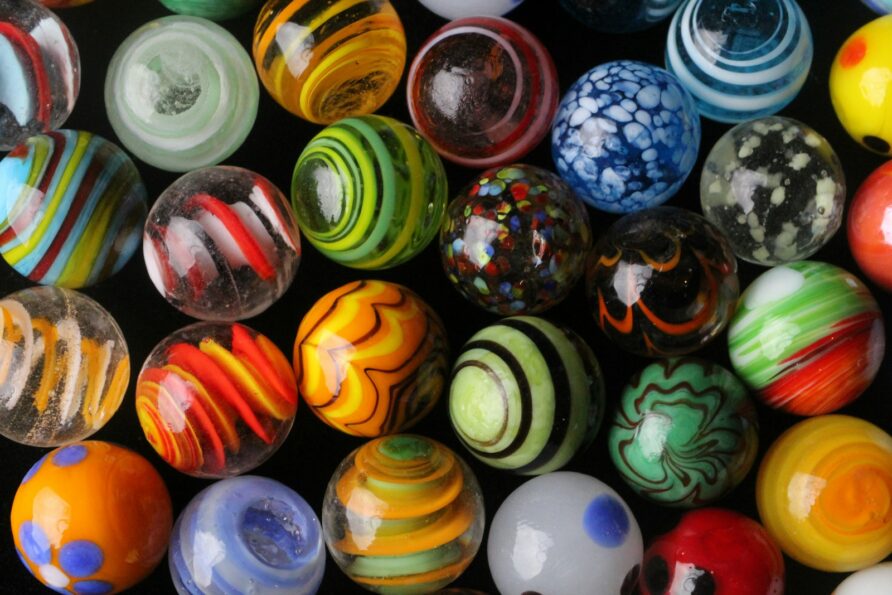
Contemporary marble making represents a vibrant intersection of traditional craftsmanship and modern artistic expression. As galleries seek innovative exhibitions that bridge historical techniques with contemporary art, showcasing modern marble artists offers unique opportunities to present collectible glass art that honors centuries-old traditions while pushing creative boundaries. This comprehensive guide explores curating exhibitions featuring contemporary marble makers, highlighting how these artists continue the legacy of the Vintage Marbles Company tradition while creating entirely new artistic expressions.
The Evolution from Vintage to Contemporary Marble Art
The history of marble making stretches back centuries, with companies like the Vintage Marbles Company producing collectible glass marbles that have become treasured antiques. Today’s contemporary marble artists draw inspiration from these historical traditions while employing modern techniques, materials, and artistic visions. Understanding this evolution helps galleries create exhibitions that honor the past while celebrating current innovation.
Historical marble production focused on creating toys and playthings, with companies manufacturing millions of marbles for children’s games. The Vintage Marbles Company and similar manufacturers established production techniques and pattern types that collectors still seek today. Contemporary artists have transformed these functional objects into art pieces, using the same fundamental techniques while emphasizing aesthetic expression over utility.
Modern marble makers work as individual artists or small studios, creating limited edition or one-of-a-kind pieces. Unlike historical mass production, contemporary marbles are art objects commanding prices from $20 for entry-level pieces to over $2,000 for large, signed works by recognized artists. This transition from toys to art creates exhibition opportunities that showcase both technical skill and artistic vision.
For comprehensive information about vintage marbles, historical manufacturers, and collecting guides, visit www.vintagemarbles.co.uk, where you’ll find extensive resources covering the full spectrum of marble collecting from antique pieces to contemporary art marbles.
Selecting Artists for Your Exhibition
Curating a successful contemporary marble exhibition requires careful artist selection representing diverse techniques, styles, and price points. The marble art community includes numerous talented artists, each bringing unique approaches to the medium.
Consider including established artists with recognized styles and collector followings. Artists like Mark Matthews, known for precision geometric marbles, or Eddie Seese, famous for bold rainbow dichroic designs, bring name recognition and proven market appeal. These artists’ work commands premium prices and attracts serious collectors to exhibitions.
Include emerging artists offering fresh perspectives and innovative techniques. Newer artists often experiment with materials and patterns, creating exciting work that pushes boundaries. Including emerging talent alongside established artists creates dynamic exhibitions showcasing the medium’s evolution and future directions.
Represent diverse techniques including implosion marbles, dichroic pieces, cosmic designs, and geometric patterns. This variety demonstrates the medium’s versatility while appealing to different collector preferences. Visitors should experience the full range of contemporary marble making possibilities.
Balance price points to create accessible entry points while showcasing premium pieces. Exhibitions featuring only high-end work might intimidate potential collectors, while those focusing solely on affordable pieces might not demonstrate the medium’s artistic potential. A range of prices accommodates various collector levels and budgets.
Exhibition Design and Display Considerations
Contemporary marbles require thoughtful display approaches that showcase their artistic qualities while ensuring security and proper presentation. Unlike traditional gallery art, marbles are three-dimensional objects that benefit from lighting and positioning that reveals their internal patterns and surface qualities.
Lighting design proves crucial for marble exhibitions. Proper illumination reveals internal patterns, dichroic color shifts, and surface details that define marble artistry. Consider backlighting for transparent marbles, top lighting for opaque pieces, and adjustable spotlights that can highlight specific features. LED lighting offers color temperature control and minimal heat, protecting delicate glass pieces.
Display platforms should provide secure, stable presentation while allowing close examination. Individual stands or pedestals elevate marbles to viewing height while preventing rolling or damage. Glass-topped display cases protect valuable pieces while maintaining visibility. Consider rotating platforms for larger marbles, allowing visitors to see all angles of three-dimensional pieces.
Grouping strategies help visitors understand relationships between pieces. Grouping by artist creates cohesive sections showcasing individual styles. Grouping by technique demonstrates how different approaches achieve various effects. Thematic groupings around color, pattern, or concept create narrative flow through exhibitions.
Informational materials including artist statements, technique descriptions, and price information enhance visitor understanding. Labels should include artist names, piece titles, techniques used, dimensions, and prices. Providing context about marble making history and contemporary innovations helps visitors appreciate exhibited work.
Marketing and Promotion Strategies
Successful marble art exhibitions require targeted marketing reaching both art collectors and marble collecting communities. The intersection of art and collectibles creates unique marketing opportunities.
Reach art collectors through traditional gallery marketing channels including press releases, social media promotion, and email newsletters. Emphasize artistic qualities, technical innovation, and collectible value. Position exhibitions as opportunities to discover unique art medium combining craftsmanship and creativity.
Engage marble collecting communities through specialized forums, collector groups, and online communities. These audiences understand marble value and appreciate contemporary work honoring historical traditions. Many collectors actively seek contemporary pieces to complement vintage collections, creating natural exhibition audiences.
Collaborate with artists for promotion, as they often have established followings and collector networks. Artist social media promotion, email lists, and personal networks bring dedicated audiences to exhibitions. Artists appreciate gallery promotion and often share exhibition information enthusiastically.
Create educational programming including artist talks, technique demonstrations, or collecting workshops. These events attract visitors interested in learning about marble making and collecting. Educational programming positions galleries as knowledge centers while building community around exhibitions.
Sales and Collector Engagement
Contemporary marble exhibitions offer sales opportunities requiring specialized approaches balancing art market practices with collectible sales strategies. Understanding both markets helps galleries serve collectors effectively.
Pricing should reflect art market dynamics including artist recognition, technical complexity, and market demand. Established artists command premium prices reflecting their reputation and collector following. Emerging artists’ work might be priced more accessibly, creating entry points for new collectors. Transparent pricing helps visitors understand value propositions.
Provide purchase information clearly, including prices, payment options, and shipping arrangements. Many collectors travel to exhibitions specifically to purchase pieces, so facilitating sales enhances visitor satisfaction. Consider offering payment plans for higher-priced pieces, making collecting more accessible.
Build collector relationships through follow-up communication, notification of new arrivals, and invitations to future exhibitions. Serious collectors appreciate galleries that understand their interests and provide ongoing access to quality pieces. These relationships create repeat business and word-of-mouth promotion.
Document sales with proper receipts, certificates of authenticity when available, and artist information. Professional documentation supports collector confidence and helps establish provenance for valuable pieces. Maintaining sales records helps galleries track collector interests and preferences.
Educational Components and Programming
Educational programming enhances marble art exhibitions by providing context, technique understanding, and collecting guidance. These programs attract diverse audiences while positioning galleries as educational resources.
Artist talks allow visitors to hear directly from makers about their processes, inspirations, and artistic visions. These presentations create personal connections between collectors and artists while providing insights into creative processes. Schedule talks during exhibition openings or special events to maximize attendance.
Technique demonstrations showcase marble making processes, helping visitors appreciate skill and complexity involved in creating exhibited pieces. Live demonstrations create engaging experiences that differentiate marble exhibitions from traditional gallery shows. Consider partnering with local artists or studios for demonstration opportunities.
Collecting workshops provide guidance for visitors interested in starting or expanding collections. Cover topics including identification, valuation, care, and display. These workshops create value for visitors while building collector communities around galleries. Reference resources like vintagemarbles.co.uk for comprehensive collecting information and guides.
Historical context presentations connect contemporary work to traditions established by companies like the Vintage Marbles Company. Understanding historical production helps visitors appreciate how contemporary artists honor and evolve traditional techniques. This context enriches exhibition experiences while educating visitors about marble making heritage.
Building Long-Term Gallery Relationships
Successful contemporary marble exhibitions create foundation for ongoing gallery programming and collector relationships. Building on exhibition success helps galleries establish themselves as marble art destinations.
Maintain artist relationships for future exhibitions and ongoing inventory. Many contemporary marble makers appreciate gallery representation and return for additional shows. Building artist rosters creates programming consistency while providing collectors with reliable sources for quality pieces.
Develop collector databases tracking interests, purchase history, and preferences. This information helps galleries notify collectors about relevant new arrivals, upcoming exhibitions, or artist work matching their interests. Personalized communication builds collector loyalty and repeat business.
Consider establishing permanent or rotating marble art displays beyond temporary exhibitions. Dedicated spaces for contemporary marbles position galleries as ongoing destinations for collectors. Even small permanent displays maintain gallery presence in marble art communities.
Participate in art fairs, collector shows, or specialized events featuring contemporary marbles. These appearances expand gallery reach while connecting with broader collecting communities. Fairs and shows provide opportunities to meet new collectors and artists while promoting gallery programs.
The Future of Contemporary Marble Art Exhibitions
Contemporary marble art represents growing field with increasing collector recognition and artist participation. Galleries presenting these exhibitions contribute to medium development while serving collector communities interested in both historical and modern marbles.
The intersection of art and collectibles creates unique exhibition opportunities appealing to diverse audiences. Contemporary marble exhibitions honor traditions established by companies like the Vintage Marbles Company while celebrating current artistic innovation. These exhibitions bridge historical craftsmanship with modern expression, creating experiences that educate, inspire, and engage visitors.
For galleries seeking innovative programming that combines art, craft, and collectibles, contemporary marble exhibitions offer compelling opportunities. The combination of visual appeal, technical achievement, and collecting interest creates exhibitions that attract diverse audiences while supporting artists and serving collector communities. Whether as standalone shows or components of broader programming, contemporary marble art exhibitions represent valuable additions to gallery calendars.
To learn more about vintage marbles, historical manufacturers, and comprehensive collecting resources, visit, where you’ll find extensive information covering the full spectrum of marble collecting from antique pieces to contemporary art marbles by visting www.vintagemarbles.co.uk/blog.
